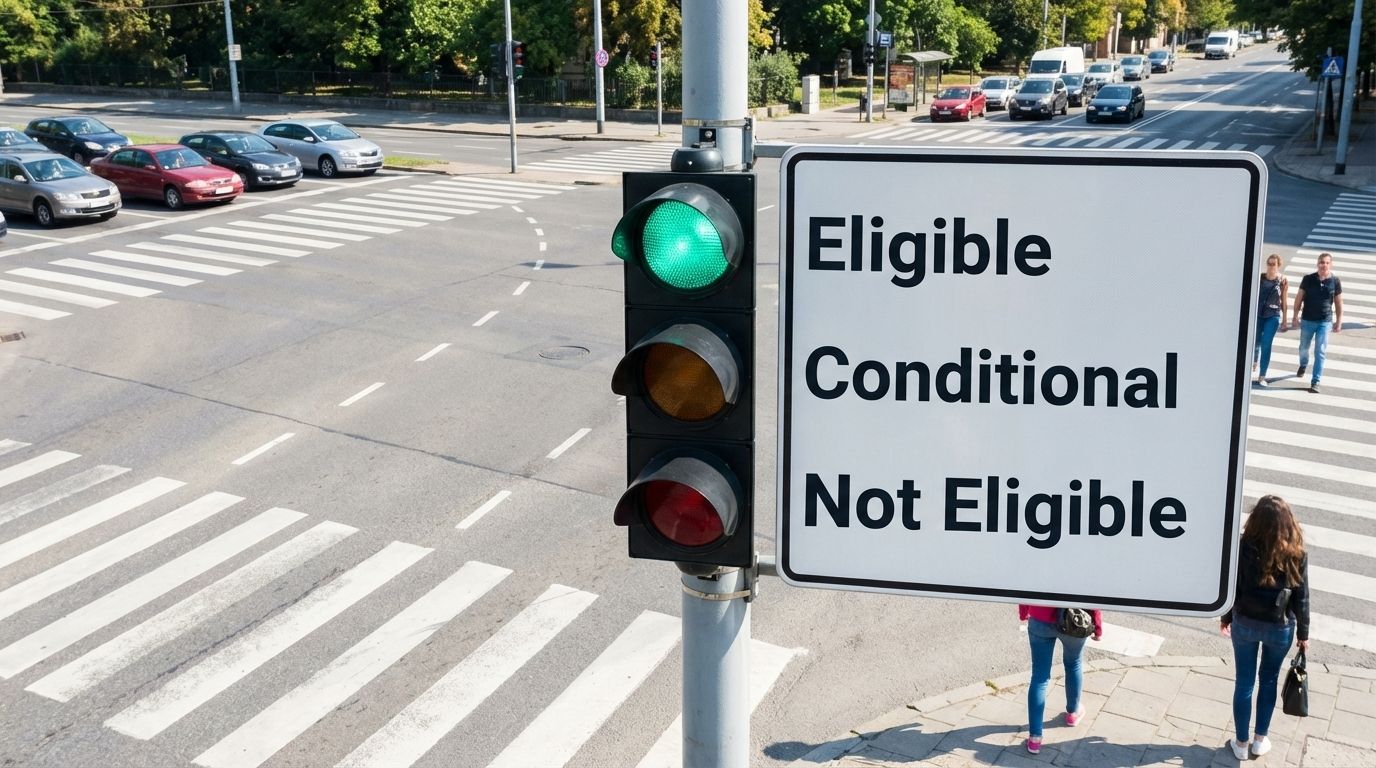
Five signs that may indicate eligibility for a securities class action claim.
If you've lost money on a stock investment and suspect something went wrong-misleading earnings reports, undisclosed risks, executives selling shares while painting rosy pictures-you're probably wondering: Do I qualify for compensation through a securities class action?
The question is legitimate, and several practical factors can help you begin assessing whether you may qualify. The framework boils down to five signs that can help turn legal complexity into a practical checklist.
Securities class actions aren't reserved for Wall Street insiders with seven-figure losses. In 2025 alone, plaintiffs filed 207 federal and state securities class action lawsuits, with 2024 settlements totaling $3.7 billion across 88 cases. Settlement funds may be distributed to eligible investors who submit timely, valid claims under a court-approved plan of allocation. The mechanism exists to help investors seek recovery when companies are alleged to have violated securities laws, but investors generally need to recognize potential eligibility signs and act within applicable deadlines.
This guide walks you through five specific indicators that signal potential qualification: purchasing stock during a defined class period when fraud allegedly occurred, evidence of company misrepresentations or omissions that artificially inflated prices, financial losses after corrective disclosures revealed the truth, an active or certified lawsuit providing the legal vehicle for recovery, and loss thresholds that determine participation structure. Many initial checks can be done using brokerage records and case notices, though legal or financial questions may require professional advice. By the end, you’ll have a practical framework for reviewing whether you may have a claim and what steps may be worth discussing with a qualified professional.
Why Investors Research Stock Fraud Class Actions
Retail investors and shareholders research stock fraud class actions for a straightforward reason: they've lost money and want to know if those losses stem from illegal corporate misconduct rather than normal market fluctuations, and more importantly, whether they can recover compensation. When your portfolio shows a stock down 40% after the company restates earnings or the SEC announces an investigation, the natural question becomes whether you have legal recourse. Securities class actions may provide a collective mechanism for investors who claim they were harmed during specific timeframes when companies are alleged to have made fraudulent misrepresentations that artificially inflated stock prices.
The scale of this recovery mechanism is substantial. In 2024, 88 securities class action settlements totaled $3.7 billion, with a median settlement of $14 million; funds that may be distributed pro rata to eligible investors who submit valid claims under the court-approved plan of allocation. Some valid claimants may receive settlement payments, although amounts vary and often represent only a fraction of claimed losses. Claim participation can vary widely, and investors generally must submit a timely proof of claim to seek any settlement distribution. Any compensation is typically partial, and access depends on the settlement terms, court-approved allocation plan, claim review, and applicable deadlines.
Investors seek this compensation not just for monetary recovery but also to enforce accountability. Securities class actions can seek to hold companies and executives accountable for violations like revenue recognition fraud, liability concealment, misleading forward-looking statements, and insider trading. The SEC enforces these laws through regulatory action-securing $4.949 billion in remedies in FY 2023, the second highest ever but securities class actions may provide a private enforcement pathway for eligible investors to seek compensation. Understanding whether you qualify for this compensation starts with knowing your rights as a shareholder and how class actions fit into the broader investor protection framework.
What Determines Eligibility for Securities Lawsuit Participation
Eligibility to participate in a securities class action lawsuit is determined by three foundational criteria that settlement administrators verify against court-approved class definitions to ensure only qualifying investors receive compensation. First, you must have purchased the relevant securities during the court-defined class period-the specific timeframe when the alleged fraud occurred, typically from the first misleading statement to the corrective disclosure that revealed the truth.
Second, you must provide documented proof of your transactions and losses through brokerage statements and trade confirmations that verify your purchase dates, share quantities, prices paid, and the financial harm you sustained. Third, you must demonstrate that your losses were causally connected to the alleged fraud rather than general market conditions, meaning the stock price decline you experienced resulted from the revelation of the misrepresentations, not unrelated factors.
Settlement administrators manage the verification process by reviewing submitted claims against the class definition established by the court. If you purchased shares during the class period when fraud artificially inflated prices and the stock dropped after the corrective disclosure, your documented loss becomes the basis for your pro rata recovery from the settlement fund, though actual recoveries typically represent only a fraction of documented losses due to settlement caps, attorney fees, and distribution among all claimants. The administrator validates that your trade dates fall within the class period, your purchase prices reflect the fraud-inflated levels, and your losses occurred after the corrective event that removed the artificial inflation. Only investors who satisfy the applicable class definition and claims requirements may be eligible for any settlement payment.
Understanding these eligibility determinants helps investors assess whether their situation warrants pursuing a claim. The class period timing requirement is objective and verifiable-either your purchase dates fall within the defined window or they don't. The documentation requirement is practical-you need records proving what you bought, when, and at what price. The causation requirement is analytical-your losses must tie to the fraud revelation rather than coincidental market movements. Together, these criteria create a framework that separates eligible investors from ineligible ones. Verifying you meet these requirements is the essential first step before filing claims or expecting recovery.
Sign #1: You Purchased Stock During a Specific Class Period
The first critical sign of eligibility for a securities class action is purchasing stock during the court-defined class period-a specific timeframe from the first alleged misstatement to the corrective disclosure that revealed the truth. This timing requirement serves as the foundational gateway criterion: if your transactions do not fall within the applicable class definition, you generally may not qualify for recovery in that case.
Although this can be a straightforward check, many investors may not confirm whether they are eligible or submit a claim. Claims filing rates in securities class actions average only a small percentage, meaning the majority of investors who purchased during class periods and meet all eligibility criteria forfeit potential recovery simply by not verifying their purchase timing or realizing they qualify. Yet those who do actively confirm their eligibility and file claims may be considered for recovery if a settlement is reached and the claim is approved.
The class period is defined by courts and legal teams based on when the alleged fraud occurred, starting when the company first made material misrepresentations and ending when corrective disclosure revealed the concealed truth. For example, a class period might span "January 15, 2020, to March 30, 2022" if the company began overstating revenues in January 2020 and the SEC announced an investigation in March 2022 that triggered a price collapse. You may still fall within a class definition if you purchased during the class period, but your recognized loss and recovery, if any, may depend on when you sold and the court-approved allocation plan.
Sign #2: The Company Made Misleading Statements or Omissions
The second critical sign of securities class action eligibility is evidence that the company made false or misleading statements, or failed to disclose material information that artificially inflated stock prices during the fraud period. This sign transforms ordinary investment losses into potential securities fraud claims by establishing the unlawful conduct that violated federal securities laws and harmed investors.
Fraudulent practices range from accounting manipulations that overstate revenues to material omissions that render affirmative statements misleading, and they're not rare occurrences. Although criminal sentencing data is distinct from civil securities class action filings, the U.S. Sentencing Commission reported 178 securities and investment fraud cases sentenced in fiscal year 2024, marking a 25.4% increase since 2020.
This illustrates that securities and investment fraud can lead to criminal enforcement, although criminal cases are distinct from civil securities class actions.
Securities fraud often involves misleading statements that inflate or artificially maintain stock prices during fraud periods. Companies accused of securities violations may also face regulatory, litigation, or settlement consequences, depending on the facts and outcome. Corrective disclosures may also be followed by stock-price declines, regulatory scrutiny, litigation, or settlements, depending on the facts. Material information is defined as having a substantial likelihood that a reasonable investor would consider it important when making investment decisions, such as mergers, earnings changes, legal proceedings, regulatory compliance issues. Omissions may be actionable when disclosure is required or when omitted facts make affirmative statements misleading. The SEC secured $4.949 billion in remedies in FY 2023, the second highest ever, with $930 million distributed to harmed investors, demonstrating the scale of enforcement against material misrepresentations and illustrating the scale of regulatory enforcement involving securities-law violations.
Companies may face liability when they make materially false statements or omit material facts necessary to make their statements not misleading, including in SEC filings and other public communications. Failures to do so may constitute securities fraud actionable by both the SEC and private plaintiffs in class actions. For investors, identifying this second sign means recognizing when their losses may stem from unlawful corporate misconduct rather than normal business challenges or market volatility.
Sign #3: You Experienced Financial Losses After a Corrective Disclosure
The third critical sign of securities class action eligibility is experiencing documented financial losses after a corrective disclosure revealed the truth about company misrepresentations-measurable monetary harm that you can verify through brokerage statements showing your stock's value declined following fraud revelation. This sign completes the essential causal chain from fraud to investor harm: you purchased during the class period when prices were artificially inflated (Sign #1), the company made misrepresentations that created that inflation (Sign #2), and those misrepresentations may have caused you measurable economic loss when the truth emerged and prices dropped (Sign #3).
Economic loss in securities cases constitutes pure economic loss, financial loss of money or investment value without accompanying property damage or personal injury. If you purchased stock at an artificially inflated price and held it through a corrective disclosure that dropped the price, you may have sustained a potentially compensable economic loss, depending on loss causation, timing, and the applicable damages methodology. This documented decline in investment value forms the basis for recovery in securities fraud claims, distinguishing fraud-caused losses from general market volatility. Stock prices may drop significantly in a single day immediately following alleged corrective disclosures, demonstrating the magnitude and immediacy of investor losses when fraud is revealed.
Recoverable or recognized losses are often based on out-of-pocket principles, but the calculation may depend on statutory limits, sale timing, corrective disclosures, and the court-approved plan of allocation. This calculation ensures that only fraud-attributable, sustained losses are compensable. Across analyzed cases, settlements often represent just a fraction of estimated aggregate plaintiff damages, demonstrating the gap between total economic losses and actual recoveries due to causation requirements and legal limitations. Identifying this third sign means documenting that you held shares through a corrective disclosure event and calculating the measurable per-share loss from your purchase price to the post-disclosure price, creating the verifiable economic harm that may transform the first two signs into compensable securities fraud claims.
Sign #4: A Securities Class Action Has Been Filed or Certified
The fourth critical sign of eligibility is the existence of an active, filed, or certified securities class action lawsuit for the stock in question. A filed lawsuit may create a potential path to recovery, but class certification, settlement approval, and claims administration are separate steps. Without an active lawsuit or settlement process, the first three signs may not translate into an immediate class recovery opportunity. In 2025, 207 total securities class action filings occurred in the U.S., down 8% from 226 in 2024 but still demonstrating robust litigation activity, over 200 new legal proceedings providing ongoing opportunities for investors to participate in collective recovery if they meet the eligibility criteria.
A securities class action is a lawsuit filed by one or more lead plaintiffs on behalf of all investors who purchased the company's stock during a specific class period and suffered losses due to alleged securities law violations. If you purchased during the class period and meet the other eligibility requirements, you may fall within the class definition if a class is certified or a settlement class is approved, unless you opt out. In other words, you don't need to file your own individual lawsuit. The litigation progresses through stages: initial filing, motion to dismiss, discovery, class certification, and settlement. Settlements in securities class actions may represent substantial compensation pools distributed pro rata among class members who file claims. These settlements are brought under federal securities laws, with lead plaintiffs appointed based on who has the largest financial interest and best represents the class. If a class is certified or a settlement class is approved, you may be included unless you opt out, but you generally must submit a valid claim to receive any settlement payment.
Identifying this fourth sign means confirming that a formal legal proceeding exists-the lawsuit has been filed and is active, pending, or certified-creating the mechanism through which you can participate and potentially recover losses from the settlement fund.
Sign #5: You Meet the Minimum Loss Threshold Requirements
The fifth critical sign of securities class action eligibility is meeting minimum loss thresholds-though the reality is more nuanced than a simple dollar cutoff. No universal statutory minimum applies to being a potential class member, though recovery may depend on recognized loss and claims requirements. However, practical considerations create informal barriers. Individual investors have losses ranging from modest retail amounts to institutional losses in the millions, demonstrating that the class action mechanism may accommodate the full spectrum without imposing statutory minimums.
While there are no fixed minimums for participation, legal caps may affect recovery size but not eligibility-even if your losses are subject to certain limitations, you may still qualify to participate and receive pro rata distribution. Loss causation requirements demand that you demonstrate fraud as a substantial factor in your losses, distinguishing fraud-specific declines from market-wide events. Institutional investors often apply internal thresholds as policies for deciding whether to pursue active involvement, like lead plaintiff roles, firm-specific minimums assessed relative to peers. These are strategic decisions about resource allocation, not legal eligibility barriers. For retail investors, the threshold is simply whether your provable losses tie to the class period and fraud revelation. Settlement amounts vary widely, and even cases with aggregate losses well below median amounts may proceed to settlement, confirming that many settlements do not impose a large-loss threshold for submitting a claim, though minimum distribution rules may apply.
Important Deadlines and Next Steps to Check If You Qualify Lawsuit Participation
After identifying the five eligibility signs, investors must act within critical deadlines-missing them can permanently forfeit recovery rights or leadership opportunities. The three key deadlines to track:
(1) The lead plaintiff deadline: Under the PSLRA, motions must be filed within 60 days after the first complaint's public notice. Courts appoint the investor with the largest financial interest who files within this window. Missing this deadline prevents you from serving as lead plaintiff but does NOT exclude you from class membership or recovery.
(2) The claim submission deadline: After settlement approval, the court sets a strict deadline by which you must submit a valid Proof of Claim with supporting brokerage statements. Missing this deadline may result in permanent exclusion from recovery-your share of unclaimed funds may be redistributed pro rata to timely claimants, donated to charity, or returned to defendants, and you forfeit all compensation despite being an eligible class member. These deadlines are detailed in class notices mailed to shareholders post-settlement approval.
(3) The opt-out deadline: If you want to pursue individual litigation instead of participating in the class action, you must opt out by the court-set deadline, typically 60-90 days after receiving the class notice.
Courts often enforce these deadlines strictly and missing them may affect your rights, or may prevent you from receiving any settlement payment.
Taking Action: Review Your Situation and Explore Your Options
After learning the five eligibility signs, take action by actively reviewing your situation and exploring your options using a structured assessment framework. First, confirm class-period purchases: review your brokerage statements to verify that you purchased the relevant security during the defined class period, when alleged fraud may have artificially inflated prices. Second, verify economic loss attribution: calculate whether your losses may stem from fraud rather than general market conditions. Third, check for active lawsuits: use databases and resources to confirm a securities class action has been filed or certified for your stock.
In 2025, plaintiffs filed 207 federal and state securities class action lawsuits, demonstrating ongoing activity, over 200 new legal proceedings providing opportunities to pursue claims collectively if you meet the criteria. The median settlement amount reached $17.3 million in 2025, showing that timely assessment and participation in eligible cases may provide access to substantial aggregate settlement pools distributed pro rata among all verified claimants who file claims.
Beyond passive class participation, explore alternatives: class actions may be suitable for investors seeking collective recovery without individual lawsuit costs, and you may also review other options for larger losses involving brokerage misconduct. Statutes of limitations and lead plaintiff deadlines demand prompt review of notices and timely action to preserve rights.
Reviewing your situation against the five-sign framework and exploring your participation options are active steps that transform eligibility awareness into potential recovery-securities class actions remain a mechanism for investor protection, but only for those who take timely action to assess their situation, verify their status, and pursue their claims before deadlines expire.
Disclaimer: Attorney Advertising. This article is for informational and educational purposes only and does not constitute legal, financial, tax, or investment advice. Reading this article, contacting the firm, or submitting information through this website does not create an attorney-client relationship. No outcome or recovery is guaranteed. Readers should conduct their own research and consult with qualified professionals before making any investment decisions or taking legal action.